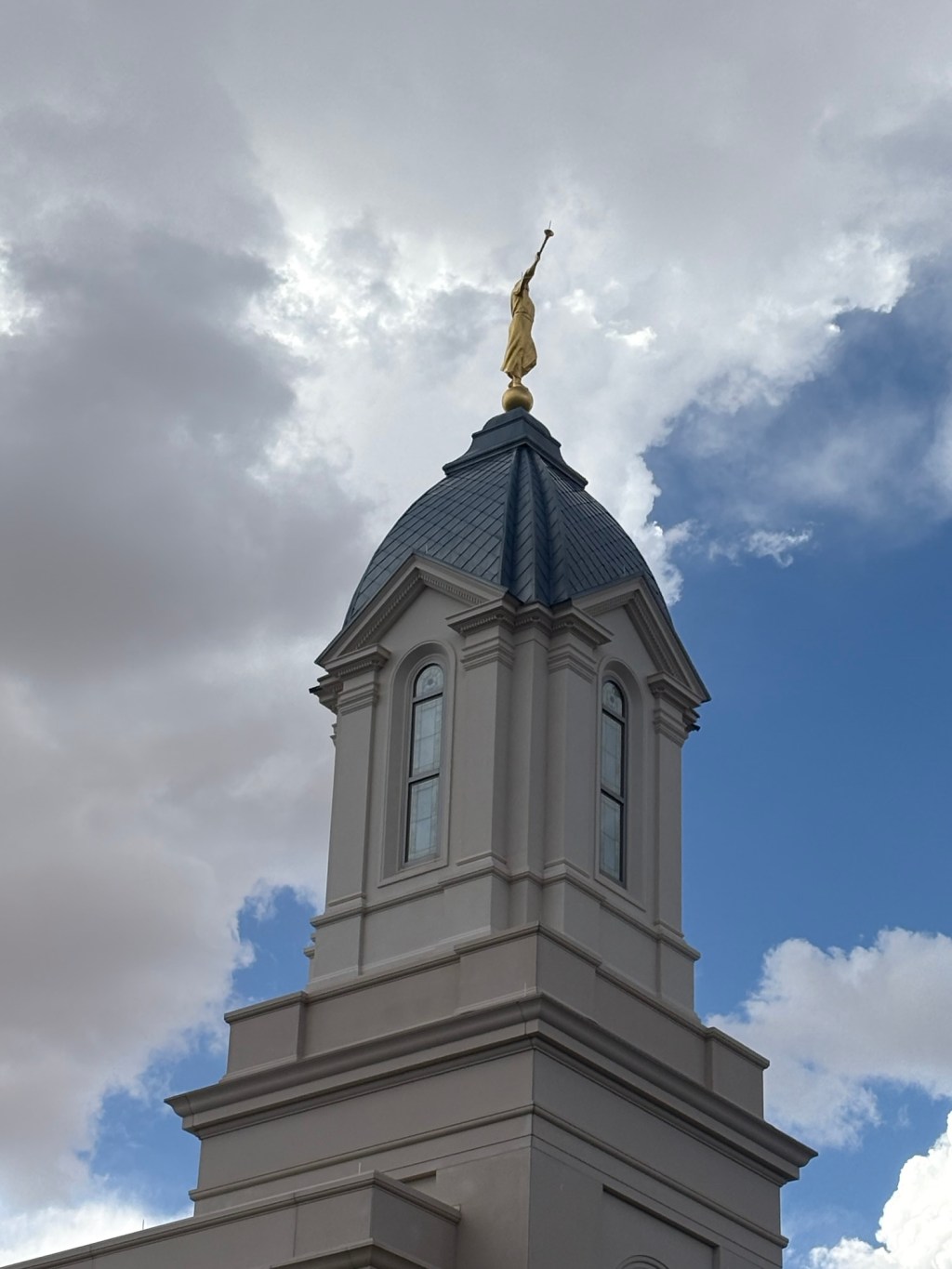
Every human being longs for purpose. We want our lives to matter. We want significance, meaning, identity, and destiny. Deep within us is a desire for glory, permanence, and transcendence. Humanity instinctively knows we were made for something greater than mere survival.
Religions and worldviews attempt to answer this longing in different ways. Some promise enlightenment. Others promise power, peace, or paradise. But few systems answer the human craving for significance as boldly as The Church of Jesus Christ of Latter-day Saints and broader Mormon theology.
At the center of Mormonism is the doctrine of exaltation — the belief that faithful humans can ultimately become gods.
This is not merely a fringe misunderstanding or anti-Mormon caricature. Historically, Mormon teaching has openly proclaimed that God Himself was once a man who progressed to godhood, and that human beings may likewise progress to become divine beings ruling and populating worlds of their own. Lorenzo Snow, a prominent LDS leader, famously summarized Mormon theology this way:
“As man now is, God once was; as God now is, man may be.”
That promise has enormous emotional appeal. It answers the human hunger for cosmic significance. You are not merely a creature — you may become a creator. You are not simply called to worship God — you may one day become like Him in essence and status.
But this idea is not new.
It is ancient.
It began in a garden.
The Serpent’s Promise
In Genesis 3, the serpent approached Eve with a temptation designed to undermine trust in God’s Word. Satan did not begin with blatant atheism. He offered something far more seductive: exaltation.
“You will not surely die… For God knows that when you eat of it your eyes will be opened, and you will be like God.” (Genesis 3:4–5)
The first temptation in human history was the promise of becoming like God.
The serpent suggested that God was withholding something glorious from humanity. He portrayed obedience as limitation and autonomy as liberation. The path to fulfillment, according to Satan, was not humble dependence upon God but grasping after divinity.
This is why Mormon exaltation theology is so spiritually dangerous. It repackages the primordial lie of Eden into a religious system.
The message changes forms, but the essence remains:
- You can ascend.
- You can become divine.
- You can attain godhood.
- You can possess what belongs to God alone.
The serpent’s ancient promise has simply been clothed in religious language.
The Biblical Story Is Entirely Different
Biblical Christianity does not teach that man becomes God.
Scripture draws a permanent distinction between Creator and creature.
God alone is eternal, self-existent, uncreated, omnipotent, and worthy of worship. Humanity, though made in God’s image, remains finite and dependent forever.
Isaiah 43:10 declares:
“Before me no god was formed, nor shall there be any after me.”
God does not say there are many gods progressing upward. He says there never has been and never will be another God.
Likewise, Isaiah 44:6 says:
“I am the first and I am the last; besides me there is no god.”
The Bible does not present God as an exalted man among many gods. It presents Him as utterly unique and incomparable.
Psalm 90:2 says:
“From everlasting to everlasting you are God.”
God did not become God.
He simply is.
What Christianity Actually Offers
Ironically, biblical Christianity offers something far greater than the counterfeit promise of self-exaltation.
The gospel does not call us to seize divinity.
It calls us to be reconciled to God through Jesus Christ.
The Son of God did not come teaching sinners how to become gods. He came to save rebels who wanted to be gods.
Christianity teaches that humanity’s greatest problem is not lack of exaltation but sin. We are not ascending creatures striving upward through spiritual achievement. We are fallen sinners separated from a holy God and unable to save ourselves.
And yet the gospel proclaims astonishing grace:
- The guilty can be forgiven.
- Rebels can be adopted.
- Sinners can become children of God.
- The dead can receive eternal life.
Believers are united to Christ, transformed into His likeness morally, and glorified in resurrection — but never deified into gods.
Romans 8 speaks of believers as heirs with Christ. 2 Peter 1 says believers partake in the “divine nature,” not by becoming divine beings, but by sharing in God’s moral holiness and escaping corruption through union with Christ.
The Christian hope is not independent godhood.
It is eternal communion with the one true God.
The Glory of the Gospel
Mormonism appeals to human pride because it magnifies man.
The gospel humbles man and magnifies Christ.
Mormonism says:
“Ascend and become a god.”
Christianity says:
“Repent and be reconciled to God.”
Mormonism places humanity on a ladder climbing toward deity.
The gospel announces that God Himself came down in the person of Christ to rescue helpless sinners.
This is why the difference matters so deeply.
One message echoes the serpent:
“You can become like God.”
The other proclaims the Savior:
“Trust in the Lord Jesus Christ and you will be saved.”
The issue is not merely theological nuance. It is the difference between the ancient lie and the eternal truth.
 Doctrine and Mission
Leave a comment